Selling in Spring 2026? Here are 10 Moves That Help You Stand Out

Spring is here—and in real estate, that usually means more showings, more buyers scrolling, and more “Should we list now?” conversations.
But spring 2026 has a slightly different vibe than the past few years. In many markets, inventory has ticked up compared to the ultra-low supply we’ve gotten used to. That’s good news for buyers—but for sellers, it means one thing: you can’t rely on scarcity alone to do the heavy lifting. The homes that win are the ones that are priced right, presented well, and marketed like they deserve attention.
If you’re thinking about selling this spring, here are 10 practical, high-impact moves that can help you stand out—and sell with less stress.
1) Choose an agent who truly knows your neighborhood
Not just someone with a license—someone who understands your micro-market. Neighborhood-to-neighborhood differences can change pricing, buyer demand, and the best marketing strategy.
A strong local agent should be able to explain:
- what’s selling right now (and what’s sitting)
- how buyers are negotiating in your area
- what upgrades or prep actually pay off
- how they’ll market your home beyond “put it on the MLS”
Tip: Ask your agent what their plan is for your specific home—not just their general process.
2) Price for today’s market, not last year’s headlines
This spring, accurate pricing matters more than ever. Buyers are paying attention, comparing listings, and aren’t rushing the way they did during peak frenzy.
Pricing too high can backfire fast: fewer showings, less urgency, and eventually price reductions that weaken momentum.
A smart pricing strategy is based on:
- recent comparable sales (not just active listings)
- current competition in your neighborhood
- real buyer behavior (showings, offers, concessions)
Goal: Create demand early, when your listing is fresh and attention is highest.
3) Knock out repairs before buyers find them
Inspections are back in full force—and buyers are far less excited about “projects” when materials and labor are expensive.
Handle obvious issues ahead of time so your home shows as cared-for:
- roof/ceiling stains and leaks
- HVAC servicing
- plumbing drips
- electrical quirks
- cracked tiles, loose railings, sticky doors
If you don’t want to fix it: price accordingly and be upfront, so negotiations don’t derail later.
4) Declutter like you’re already moving
Buyers don’t just buy the home—they buy the feeling of space. And nothing shrinks a room faster than too much stuff.
Start with:
- closets (buyers look!)
- kitchen counters
- bathroom surfaces
- garage storage
- entryways
Rule of thumb: If you haven’t used it in a year, donate/sell it or pack it now. You’ll thank yourself later.
5) Deep clean like you’re prepping for a photo shoot
A quick tidy isn’t enough. Spring buyers notice the details—and “clean” reads as “well-maintained.”
Prioritize:
- baseboards, vents, ceiling fans
- windows and tracks
- grout and caulk
- pet areas and odors
- fridge/stove interiors
Pro move: Make the home smell neutral and fresh—avoid heavy plug-ins or overpowering scents.
6) Make small refreshes that create a big “new” feeling
You don’t need a full renovation to improve your sale price or speed. A few strategic updates can make your home feel move-in ready:
- fresh paint in light, neutral tones
- updated caulk in bathrooms
- replace dated light fixtures
- swap worn switch plates and hardware
- touch up scuffs and trim
- shampoo carpets / refinish floors if needed
Buyer psychology is real: “Fresh” signals “less work,” and that drives stronger interest.
7) Consider staging (even if it’s partial)
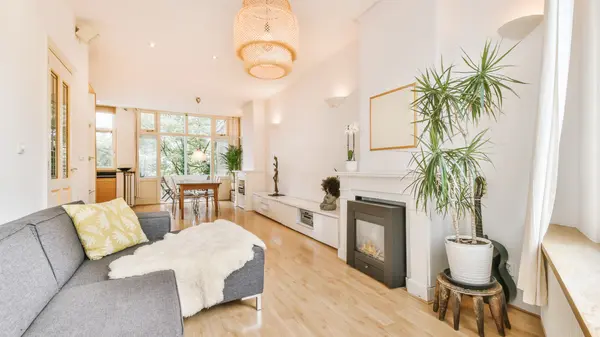
Staging isn’t about fancy furniture—it’s about helping buyers understand the space and imagine their life there.
Depending on your home, staging might mean:
- a few key rooms professionally staged (living room, primary bedroom)
- light “owner staging” using your existing pieces
- removing bulky furniture to open up flow
If inventory is up in your area: staging can be the difference between “pretty” and “must-see.”
8) Invest in listing photos that stop the scroll
Most buyers decide whether to tour a home within seconds of seeing it online. That means your marketing isn’t optional—it’s the first showing.
Strong listings typically include:
- professional photography (non-negotiable)
- video walkthrough or reels
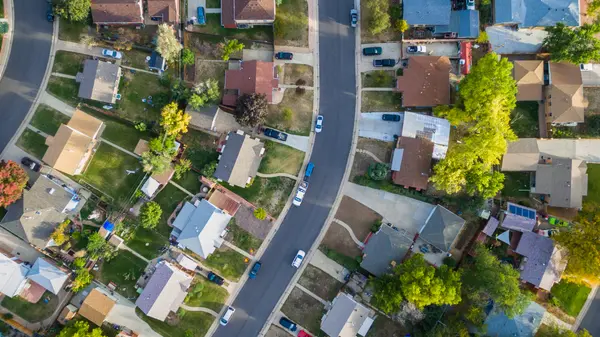
- drone photos when they add value
- a compelling description that highlights lifestyle + features
Reality: Cell phone photos can cost you showings. Showings create offers.
9) Prep your home to be easy to show
Convenience matters. If it’s hard to access your home, you’ll lose momentum.
Before listing:
- test every key (front door included)
- set up a lockbox and confirm it works
- create a showing plan for pets
- keep the home “show ready” during the first 10–14 days (the hottest window)
The easier it is to tour, the more tours you get.
10) Time your listing so you hit the market ready—not rushed
Spring is the busiest season, but that doesn’t mean “list tomorrow.” Most homes need a runway to look their best.
A realistic pre-list timeline often includes:
- 1–2 weeks for repairs + refresh
- 1 week for declutter + deep clean
- staging (if applicable)
- photos + marketing prep
Spring demand is strongest from March through May, with many markets peaking around April. The best strategy is to start prepping early enough that you can launch strong—because the first impression is the one buyers remember.
Categories
Recent Posts